How the West Was Won (1962)

Well, it’s my pleasure to introduce the ever‑present and always‑insightful blogger Mr Brian Hanna’s The Magnificent 60s, a sharp, curated look at one of cinema’s most transformative decades, mixing weekly reviews with production histories, box‑office insights, and behind‑the‑scenes stories. Its archive spans spy thrillers, westerns, biopics, musicals, and modern films that echo the era’s spirit. So, without further ado…
Here’s the latest from The Magnificent 60s

I’ve got Alfred Newman’s toe-tapping theme music in my head. In fact, every time I think of this music I get an earworm full of it. Not that I’m complaining. The score – almost a greatest hits of spiritual and traditional songs – is one of the best things about it. But then you’re struggling to find anything that isn’t good about it. For some reason, this western never seems to be given its due among the very best westerns.
Not only is it a rip-roaring picture feature the all-star cast to end all-star casts it’s a very satisfying drama to boot and it follows an arc that goes from enterprise to consequence, pretty much the definition of all exploration…
…Read the Full Article @ The Magnificent 60s

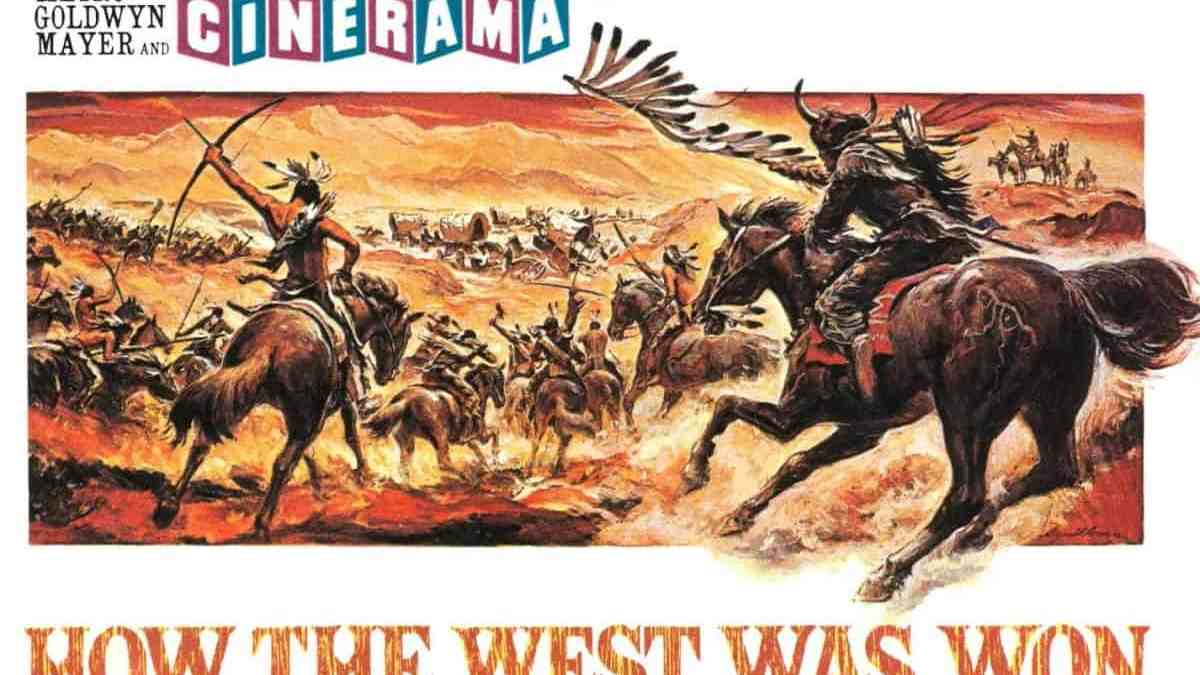
How the West Was Won stands as one of the most ambitious Westerns ever produced, a film that embraces the full scale of American frontier mythology. Its structure, spanning generations and multiple intersecting journeys, reflects the vastness of the land and the turbulence of the era it portrays. The film’s use of Cinerama technology gives it a panoramic sweep, turning landscapes into living characters and emphasizing the enormity of the challenges faced by settlers pushing westward. This visual approach reinforces the film’s sense of grandeur, capturing the beauty and danger of the frontier with striking clarity.
The story’s episodic nature allows it to explore different facets of westward expansion — migration, conflict, opportunity, and the shifting definition of family. Each segment contributes to a broader portrait of a nation in motion, shaped by ambition and hardship. The film’s ensemble cast adds emotional weight, grounding the spectacle in personal stakes and human resilience. Themes of perseverance, legacy, and the cost of progress run throughout, giving the film a reflective undercurrent beneath its adventurous surface.
Music and imagery work together to evoke a sense of mythic Americana, celebrating the spirit of exploration while acknowledging the complexities of the era. The film’s scale and storytelling style continue to make it a defining entry in the Western genre, remembered for its sweeping vision and its attempt to capture the essence of a transformative period in American history.