


If you’re a fellow enthusiast of the fantastical, the imaginative, and the futuristic, you’ve come to the right place:
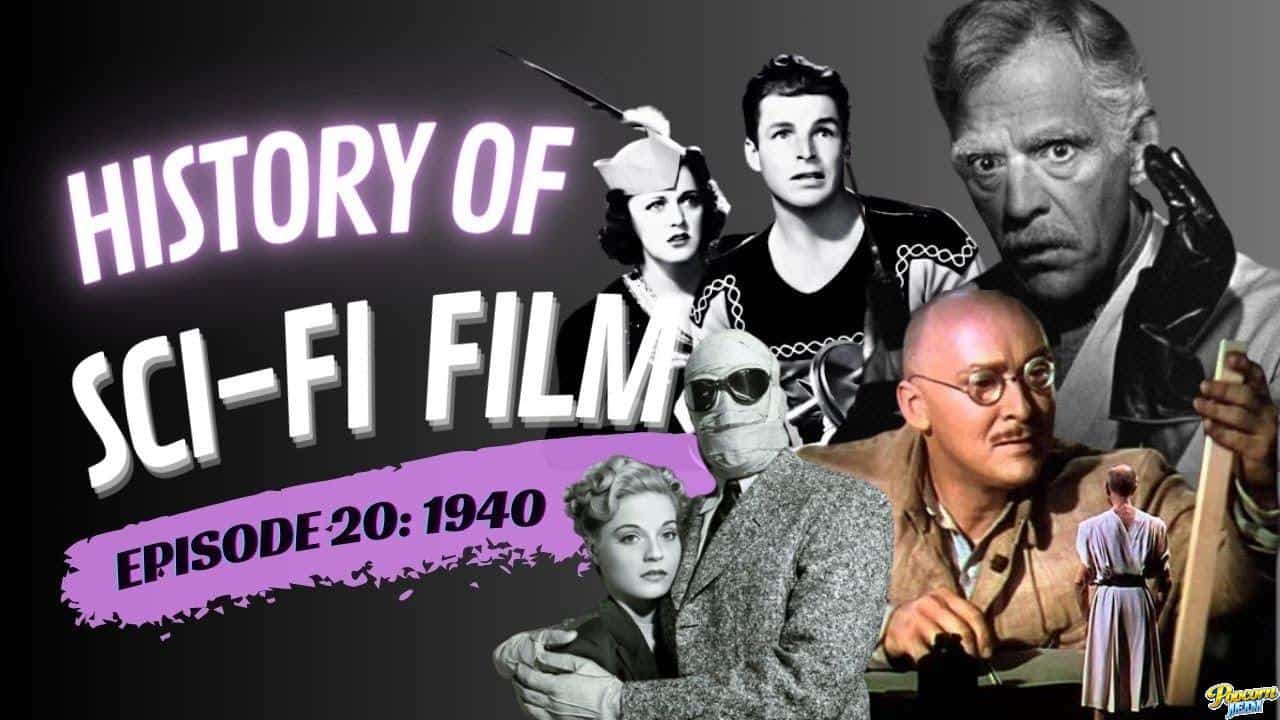
More mad scientists, adventure, and gadgets but also some Buster Keaton and the last two serials released by Universal Studios.

This 1946 sci‑fi short embraces the era’s fascination with futuristic machines and bold imagination. Built around the idea of robots and rayguns, it captures a time when science fiction was still finding its cinematic identity. The film leans into theatrical staging, practical effects, and a sense of wonder that feels both quaint and charming. Its robots, constructed with visible joints and clunky movements, reflect the handmade creativity of mid‑century filmmaking, while the rayguns offer flashes of stylised energy that evoke early pulp magazines.
The plot centres on a simple conflict: humans facing off against mechanical beings with motives that are more symbolic than complex. This straightforward narrative allows the film to focus on spectacle and atmosphere. The robots’ design, with metallic plating and exaggerated features, gives them a memorable presence. Their movements, though limited, add to the film’s charm, reminding viewers of the ingenuity required to bring such creations to life in the 1940s.
Characters are drawn with broad strokes, typical of the era’s storytelling. The human protagonists embody courage and curiosity, while the robots represent the unknown possibilities of technology. Dialogue is sparse, letting visuals carry much of the weight. The raygun sequences, though modest by modern standards, deliver bursts of excitement that punctuate the action.
Behind the scenes, the production reflects the resourcefulness of filmmakers working with limited budgets and evolving techniques. Practical effects, miniatures, and early mechanical puppetry form the backbone of the film’s visual identity. These elements contribute to its lasting appeal as a piece of sci‑fi history.
Themes revolve around humanity’s relationship with technology, fear of mechanisation, and the allure of futuristic adventure. While not deeply philosophical, the film offers a snapshot of cultural attitudes toward innovation during the post‑war period.
The legacy of this short lies in its contribution to early science fiction cinema. It stands as a reminder of how filmmakers experimented with ideas that would later become genre staples. For fans of vintage sci‑fi, it’s a delightful look back at the roots of robots and raygun storytelling.
A History of Science Fiction Cinema from 1900 to the Present
Greetings and Welcome to the Channel
I’m Melissa, your guide on a captivating journey through the history of science fiction film and television. Here, we’ll delve into the origins of iconic franchises, dissect the groundbreaking works that paved the way for the genre, and unearth the hidden gems that might have slipped under the radar.


One comment