
The Heart Is A Lonely Hunter (1969)

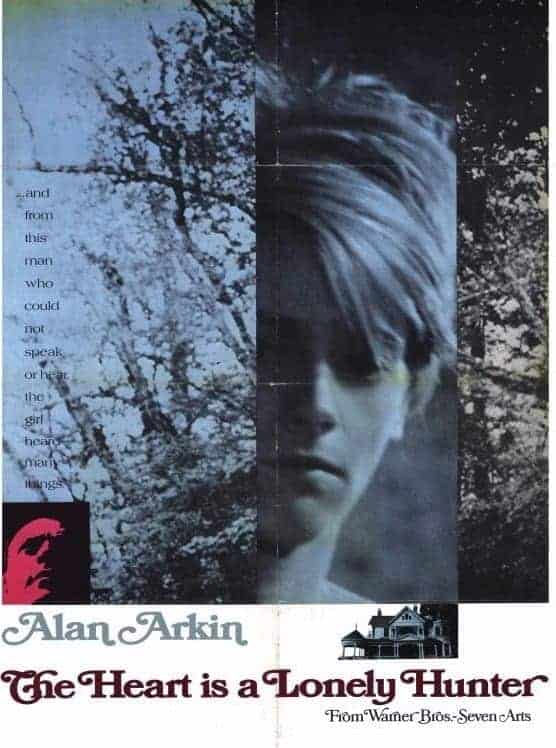
Here’s the latest from The Magnificent 60s
The American equivalent of the kitchen sink drama. Awash with the dispossessed, rejected, oppressed and underprivileged. You’re not going to be more of an outsider in the U.S. of the 1930s than to be a deaf mute or, worse, a mentally challenged deaf mute who can’t see a tasty cake in a baker’s shop without indulging in a bit of smash-and-grab.
By this point the Deep South had fallen out of favour. Adaptations of Tennessee Williams plays were now bombing at the box office – even the Burton-Taylor combo couldn’t rescue Boom! (1968) and a previous adaptation of the work of acclaimed novelist Carson McCullers (who wrote this),..
…Read the Full Article @ The Magnificent 60s

Refreshed, expanded, and generously sprinkled with extra flavour — this article returns with richer details, deeper context, and a touch more cinematic charm than ever before. We’ve dusted off the archives, polished the lore, and added a few extra kernels of insight for those who like their movie knowledge served warm and overflowing.
Updated not just for cinephiles and lore‑hunters, but also for wandering Jedi, conflicted Sith, and that one indecisive Dark Jedi who still can’t decide which side of the Force feels more “him” this week. Whether you’re here for deep‑cut trivia, behind‑the‑scenes magic, or simply to lose yourself in the stories that shape our galaxy of movies, TV, and streaming shows, this freshly‑seasoned update is ready to welcome you back into the fold — popcorn in hand, lightsaber optional.

🎞️ About the Movie
Set in a small Southern town, the story follows John Singer, a deaf‑mute man whose quiet presence becomes a refuge for several lonely, struggling individuals seeking connection and understanding.
🎬 The Director
Directed by Robert Ellis Miller, the film reflects his sensitivity to intimate, human‑scale storytelling. Miller’s approach emphasizes emotional nuance and the quiet ache of unspoken longing.
🛠️ The Production
Shot with a grounded, naturalistic style, the film leans into the textures of 1930s America — modest homes, dusty streets, and the quiet spaces where people reveal their inner lives.
🎭 Behind the Scenes
Alan Arkin delivers a powerful, restrained performance as Singer, while Sondra Locke’s breakout role earned critical acclaim. Their dynamic anchors the film’s emotional weight.
💡 Themes & Analysis
The film explores isolation, compassion, and the invisible burdens people carry. It examines how individuals project their hopes onto others, often without truly seeing them.
🎨 Cinematic Style
Expect gentle pacing, intimate close‑ups, and a contemplative tone. The film’s visual language mirrors the emotional stillness and quiet desperation of its characters.
⭐ Why You Should Watch It
Fans of literary adaptations and character‑driven drama will appreciate its emotional depth, strong performances, and timeless exploration of human connection.
 🍿 Additional Popcorn Facts
- Based on Carson McCullers’ acclaimed 1940 novel
- Sondra Locke received an Academy Award nomination for her performance
- The film remains a staple of 1960s American dramatic cinema



Comments are closed.