Well, it’s my pleasure to introduce the ever‑present and always‑insightful blogger Mr Brian Hanna’s The Magnificent 60s, a sharp, curated look at one of cinema’s most transformative decades, mixing weekly reviews with production histories, box‑office insights, and behind‑the‑scenes stories. Its archive spans spy thrillers, westerns, biopics, musicals, and modern films that echo the era’s spirit. So, without further ado…
Here’s the latest from The Magnificent 60s

Don Knotts (The Incredible Mr Limpet, 1964) was an acquired taste, relying overmuch on permafrozen goggle eyes and physical comedy. Despite the best efforts of The Great Race (1965) and It’s A Mad, Mad, Mad, Mad World (1963) and the reissues of Buster Keaton, Charlie Chaplin and Laurel and Hardy classics – perhaps because of this surfeit of slapstick – it would take a very special comedian to make as big an impression.
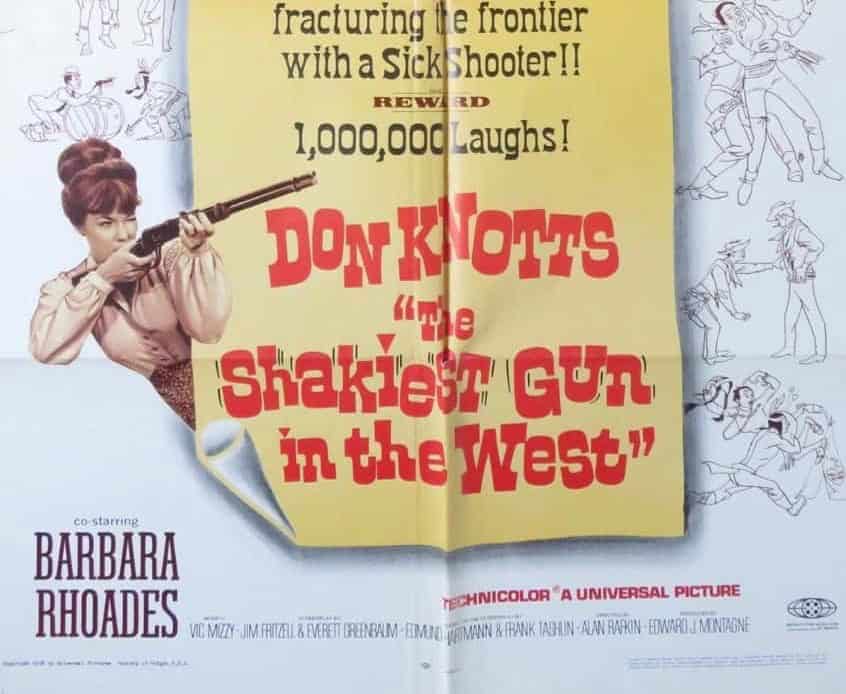
Bob Hope had gone down the cowardly cowboy route before in The Paleface (1948) and Son of Paleface (1952) and in fact this is pretty much a remake of The Paleface, substituting newcomer Barbara Rhoades (Don’t Just Stand There, 1968) in her sophomore outing as “Bad Penny” Penelope instead of Jane Russell as the more famous Calamity Jane. So it’s not a comparison a comedian would generally welcome – to be matched up against Bob Hope…
…Read the Full Article @ The Magnificent 60s

Released in 1968, The Shakiest Gun in the West gave Don Knotts the opportunity to headline his own Western comedy, playing a character whose lack of confidence and remarkable bad luck continually place him at the centre of danger. At a time when audiences were already familiar with both classic slapstick comedians and popular Western spoofs, the film attempted to carve out a unique identity through Knotts’ distinctive style of physical comedy.
The story follows Jesse W. Haywood, a well-meaning but inexperienced dentist who heads west in search of adventure. Despite possessing little of the courage or skill traditionally associated with Western heroes, Haywood repeatedly finds himself caught up in situations involving outlaws, gunfights and frontier intrigue.
Much of the film’s humour comes from the contrast between Haywood’s timid personality and the dangerous environments he encounters. Don Knotts brings his trademark nervous energy to the role, relying on exaggerated reactions, awkward encounters and escalating misunderstandings as the story unfolds. His performance helped make him one of the most recognisable comedy stars of the era.
Barbara Rhoades appears as Penelope, also known as “Bad Penny”, a mysterious figure whose presence introduces further complications and adventure. The character serves as both an ally and a catalyst for many of the film’s comedic situations, helping to drive the plot forward while adding a touch of Western romance and intrigue.
The film shares several similarities with Bob Hope’s earlier Western comedy The Paleface and its sequel Son of Paleface. Like those films, The Shakiest Gun in the West centres on an unlikely hero thrown into a world of larger-than-life frontier characters. However, Don Knotts approaches the material in a noticeably different way, relying more heavily on his unique screen persona than on rapid-fire verbal comedy.
Visually, the film embraces many traditional Western elements, including dusty towns, horseback pursuits, saloons and encounters with dangerous outlaws. These familiar settings provide the perfect backdrop for the film’s comedic mishaps and increasingly absurd situations.
Although opinions on Knotts’ comedic style have always varied, the film remains an interesting example of late-1960s Hollywood comedy. It successfully combines Western adventure with slapstick humour, creating a light-hearted entertainment that showcases Knotts at the height of his popularity.
More than five decades later, The Shakiest Gun in the West continues to attract viewers interested in classic comedy, Western spoofs and the enduring appeal of Don Knotts’ distinctive brand of humour.