Here’s the latest from the Archives of Matte Shot …
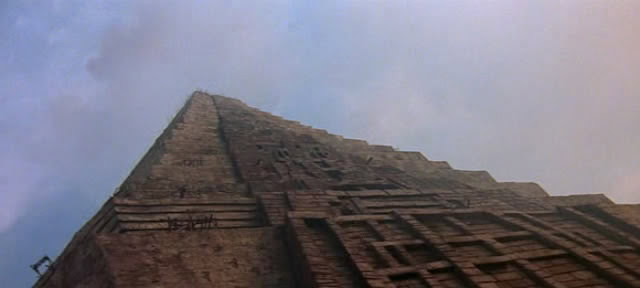
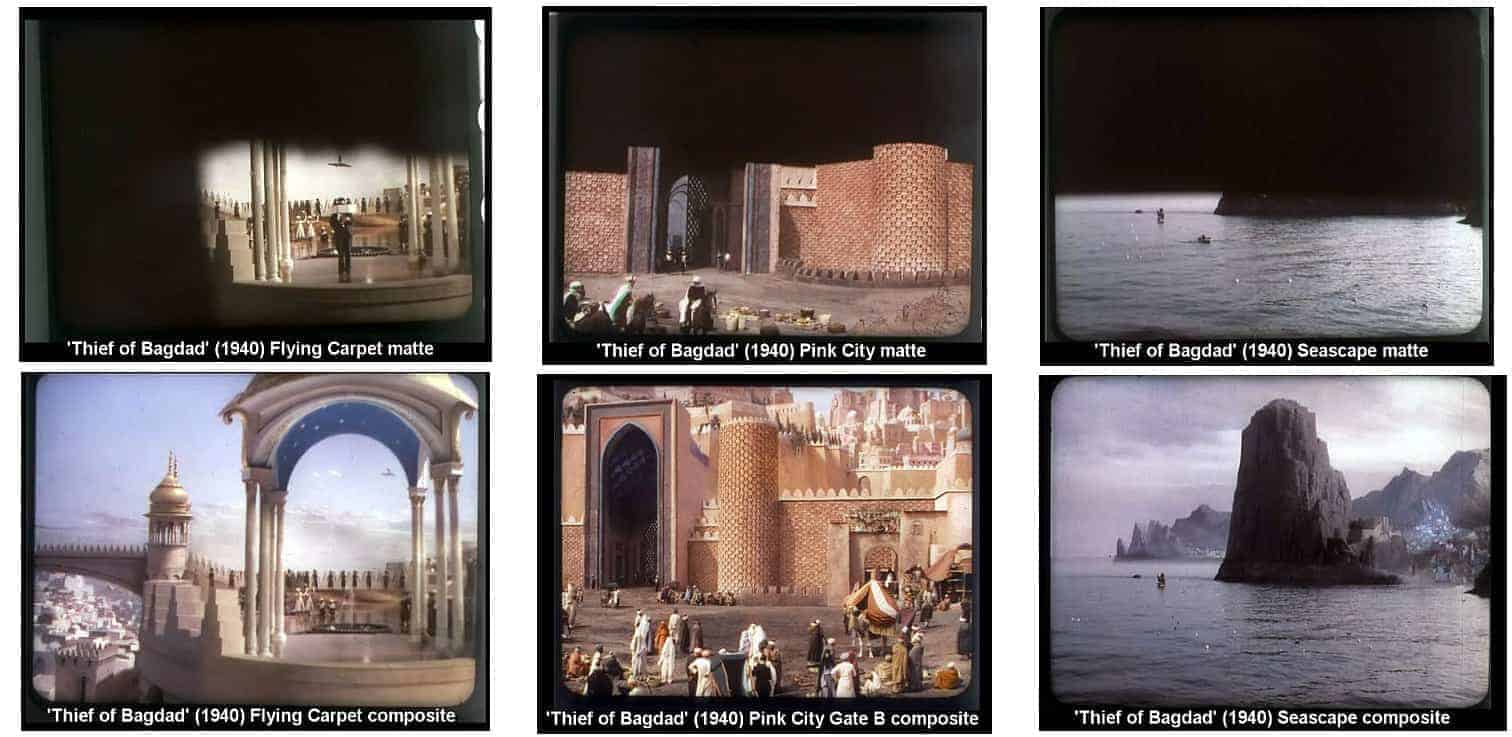
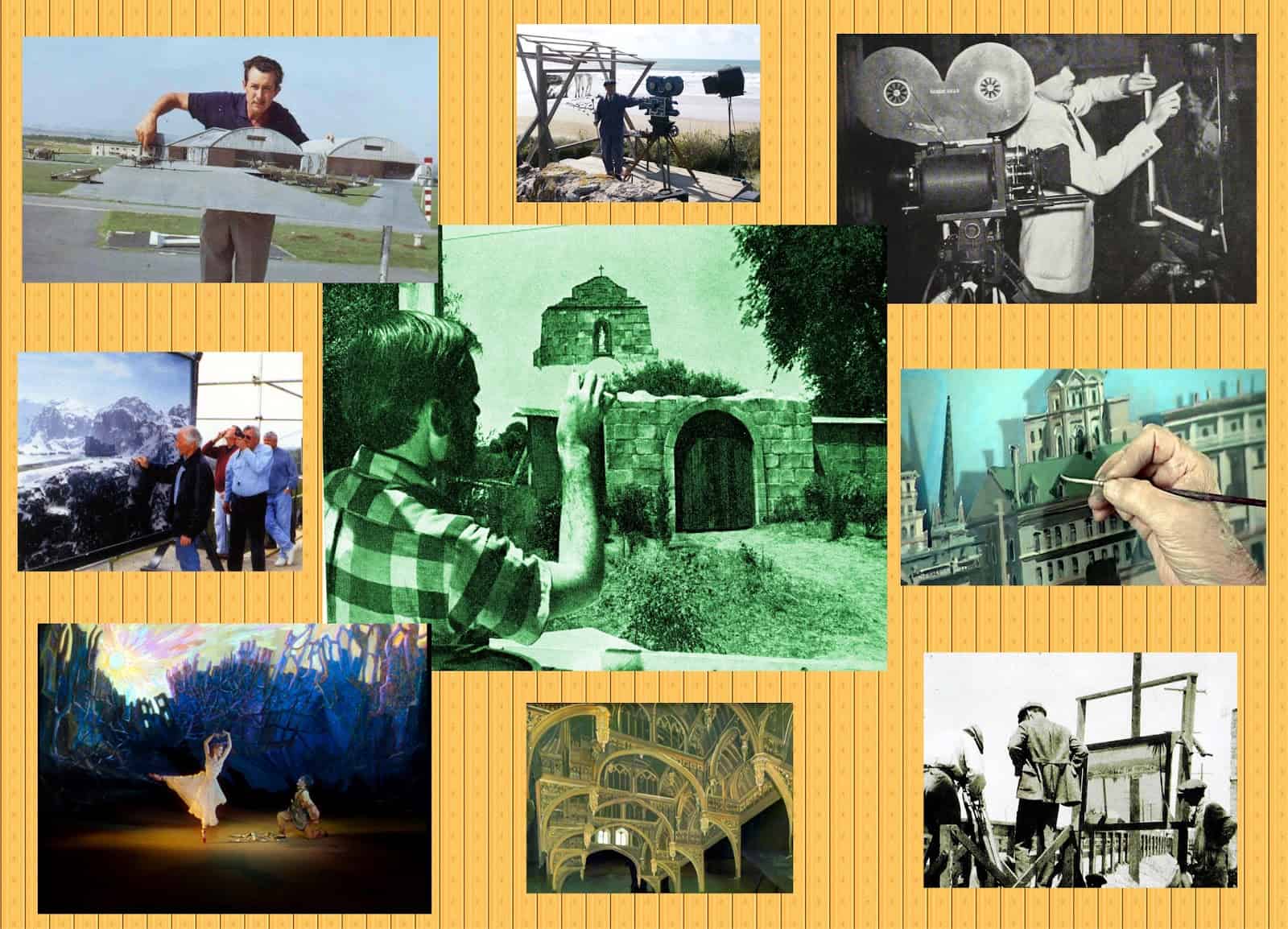
I have accumulated a huge amount of fascinating imagery for today’s blog which demonstrate with impressive results, just how commonly utilised the glass painted shot was from the beginning of motion pictures right the way through to much later, more sophisticated era’s when the old time method could still pull a few tricks on the movie going audience.
In addition, I’ll be demonstrating a number of excellent examples of a well established variation upon the standard glass shot technique whereas the required matte painting is rendered on plywood or sheet metal which is then carefully cut out and mounted in front of the camera. The materials might be different, though the method is essentially the same and was the preferred modus operandi among some masters of the artform, particularly among European effects men. The shots I’ve selected are amazing…
…Read the Full Article @ Matte Shot…
 Matte Shot – a tribute to Golden Era & Traditional Special Effects is a tribute to the artistry and ingenuity of traditional matte painters, this collection celebrates the hand‑crafted movie magic that once shaped cinema — from grand, epic vistas to invisible effects even seasoned viewers might miss. It’s designed for both casual fans and dedicated enthusiasts, offering a renewed appreciation for skills largely forgotten today. I’ve also reached deeper into the Matte Shot archives to bring even more of this remarkable work forward, and I hope you enjoy the journey as much as I do.

These remarkable examples underline how matte artists across generations refined the craft, adapting their techniques to suit changing production demands while still relying on the same fundamental principles of illusion. Whether used to expand a modest backlot or to create entire imaginary cities, the glass shot remained a dependable tool for filmmakers who understood how to blend artistry with technical precision. The imagery showcased here reflects that enduring commitment to craft, revealing how painters and cinematographers collaborated to produce seamless results that continue to impress even in today’s digital era.
The plywood and sheet‑metal variation, though less widely discussed, deserves equal admiration for the ingenuity behind its execution. By cutting the painted sections to match architectural forms or landscape silhouettes, artists could achieve an extraordinary level of integration with the live‑action footage. These cut‑out mattes often allowed for bolder shapes and more dramatic compositions, giving filmmakers new creative options while maintaining the same deceptive simplicity that defined traditional glass work. Together, these techniques highlight a lineage of innovation that shaped cinematic visual effects for decades.